If you are like a typical organisation, you will have a multi-generational
workforce working for you right now. Now, what is the impact of having a multi
generational workforce? One of the impacts is that leaders today are required to use
different approaches to manage different generations. Doesn't that sound logical and
rational to you? Well, if it does, the hard truth is we may not be using different
methods on different people.
What do I mean by that?
Most of us, by design, will fall back on the method that we're most comfortable
with. And what is the most comfortable method that we use in managing our people?
More likely than not, it is how you are used to being managed by your previous
bosses or supervisor.
Isn't it easier to do something that you're familiar with, something that you have
experience in? Well, guess what? In a multi- generational workforce, what works for
you may not work for them. The expectations, the exposure, the intellectual capacity
and ambition from different generations have all changed. Because of that, you need
to change and adapt to the contemporary leadership approaches that are more
suitable for today’s workforce.
Case in point; coaching has become one of the most preferred and popular
management and leadership styles in the corporate workplace. I assure you,
coaching is not merely a fad or a trending topic on LinkedIn and other platforms.
Coaching today has become so effective in activating, empowering and engaging our
multi-generational workforce, it is one of the most preferred methods to manage
performances.
Our job as a leader needs to be sensitive and to be able to learn and evolve
together with time. The current workforce would not like the old management style.
For example, the very authoritative and dictatorial approach where we ask people
to jump and they are expected to ask, “How high?”. In the current
workforce they
would like you to ask, “What would you like to do? Is it to jump? Is it to run, or skip,
or merely walk?” Secondly, after the answer, for example, ‘they would like to run’,
your job as a leader coach is to ask, “So, how fast do you want to run?”
And after that, you have to ask, “If you run fast enough and effectively what can
we expect to get as a result?” Now, this is significantly different from the old ways,
where you say jump and they ask how high. It is a very short process and goes
straight to the point. However, it's not very engaging and doesn't leave a lot of room
for negotiation or conversation.
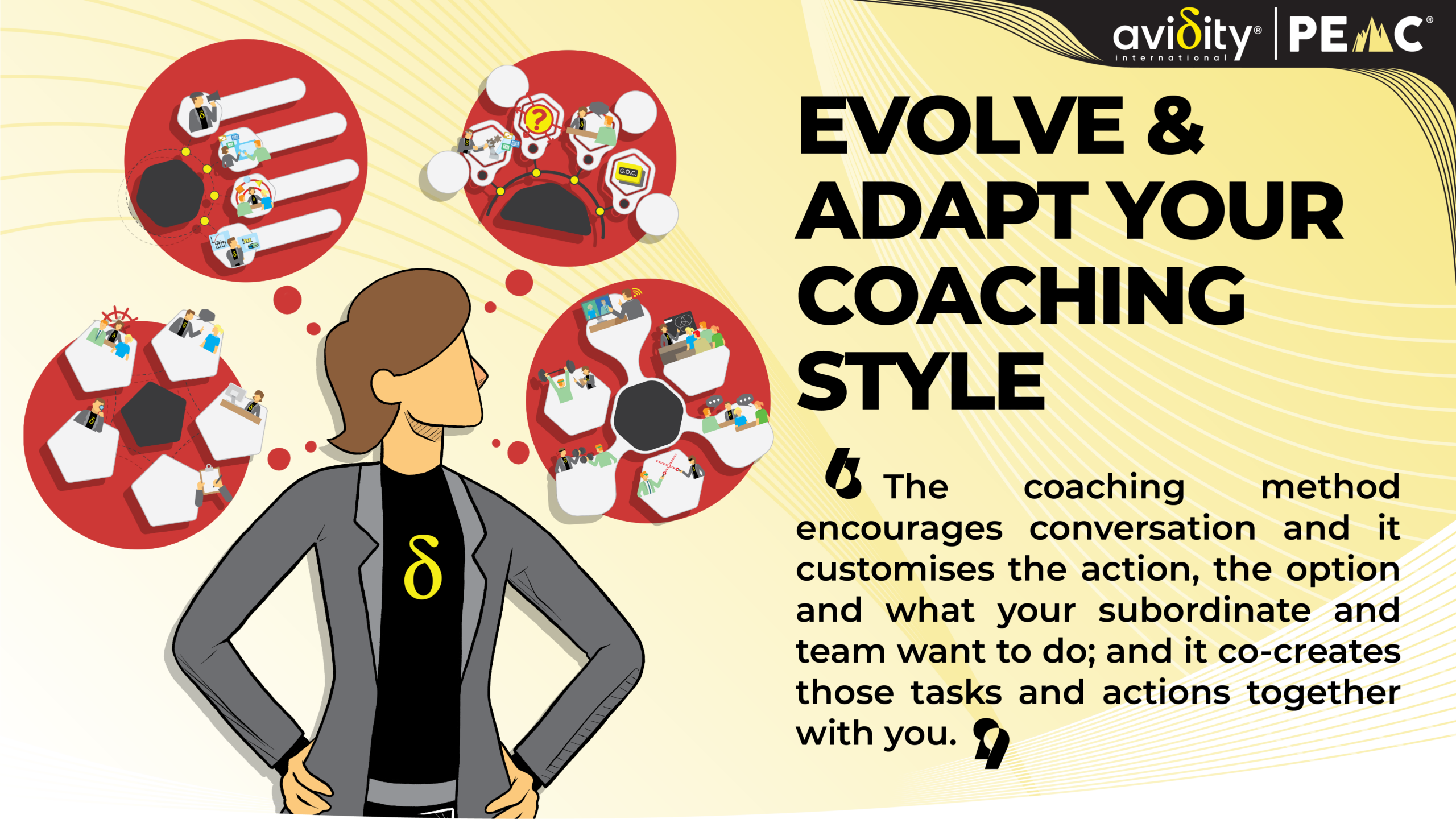
The coaching method, on the other hand, encourages conversation and it
customises the action, the option and what your subordinate and team want to do;
and it co-creates those tasks and actions together with you. You move from telling
to asking and engaging your team to arrive at a preferred solution.
Coaching today is extremely crucial to you and your team's performance. It is
definitely more enjoyable when you can share this responsibility to perform and co
create the process and the flow on how you want to get that. So, coach more with
your team and you will start to see and learn different perspectives on how to get
things done. Remember, what worked for you in the past may no longer work for the
current workforce.


The article suggests that managing a multigenerational workforce requires moving beyond inherited, legacy-based supervisory methods due to the diverse expectations and capacities of contemporary employees. Traditional authoritative approaches are less effective than modern facilitative leadership styles.
What feels like common sense to one person may not be the same for another. Managing a multi-generational team calls for different coaching approaches, as each group brings its own perspectives, expectations, and ways of working. When coaches adjust their style to suit these differences, the team becomes more engaged and is more likely to enjoy and benefit from the coaching process.
In a multi-generational workforce, traditional command-and-control leadership is no longer effective. Coaching helps leaders engage employees by asking instead of telling, empowering teams to co-create solutions and take ownership. By adapting to this approach, leaders improve performance, trust, and engagement—recognising that past methods may not suit today’s workforce.
Coaching can improve performance of subordinates and team.
We have to admit that different approaches required for different generations. It is no longer how you are used to being managed previously.