
Problem solving is necessary, but it is not sufficient.
Many organizations in Malaysia and across Asia have become exceptionally skilled at solving problems quickly. KPIs and targets are rigorously pursued. Crises are contained. Execution is sharp. Leaders respond with speed and decisiveness.
Yet beneath this competence, a quieter pattern often persists.
The same types of issues return. The same friction points resurface. The same pressure accumulates. This is why we have recurring meetings that often talk about the same topic, a repetitive root cause analyzing loop soon becomes the status quo.
This is not a capability gap. It is a design gap.
Instead of asking why something failed, it asks what is already working and how to build from it. Instead of reinforcing constraint, it strengthens agency.
In executive settings, I often begin with questions such as:
- When this issue was less intense, what was different?
- What strengths were present that are not fully visible now?
- If progress were happening over the next ninety days, what would we observe specifically?
These questions shift leaders from reaction to intention. However, if the surrounding system remains unchanged, improvement becomes temporary.
A team may clarify direction, yet remain overloaded. A leader may gain insight, yet operate inside unrealistic rhythms. An organization may celebrate short term Growth, yet quietly exhaust its people.
This is where the next layer becomes necessary. Beyond problem solving lies condition design. Condition design asks a different set of questions:
What structures currently reward over-extension? What meetings or rituals drain more energy than they create? Where are decisions repeatedly escalated instead of distributed? If this success were to scale, what would likely break first?
These are not problem questions. They are architectural questions.
Applied Regenerative Leadership extends that noticing into systems. This moves the mindset from short term operational effectiveness to strategic leadership for long term effectiveness.
In practice, the conversation evolves.

Instead of asking only: How do we fix this quarter’s target?
We ask: What operating rhythm would make this target sustainable for three years?
Instead of asking: How do we increase output?
We ask: What conditions allow output to increase without diminishing vitality?
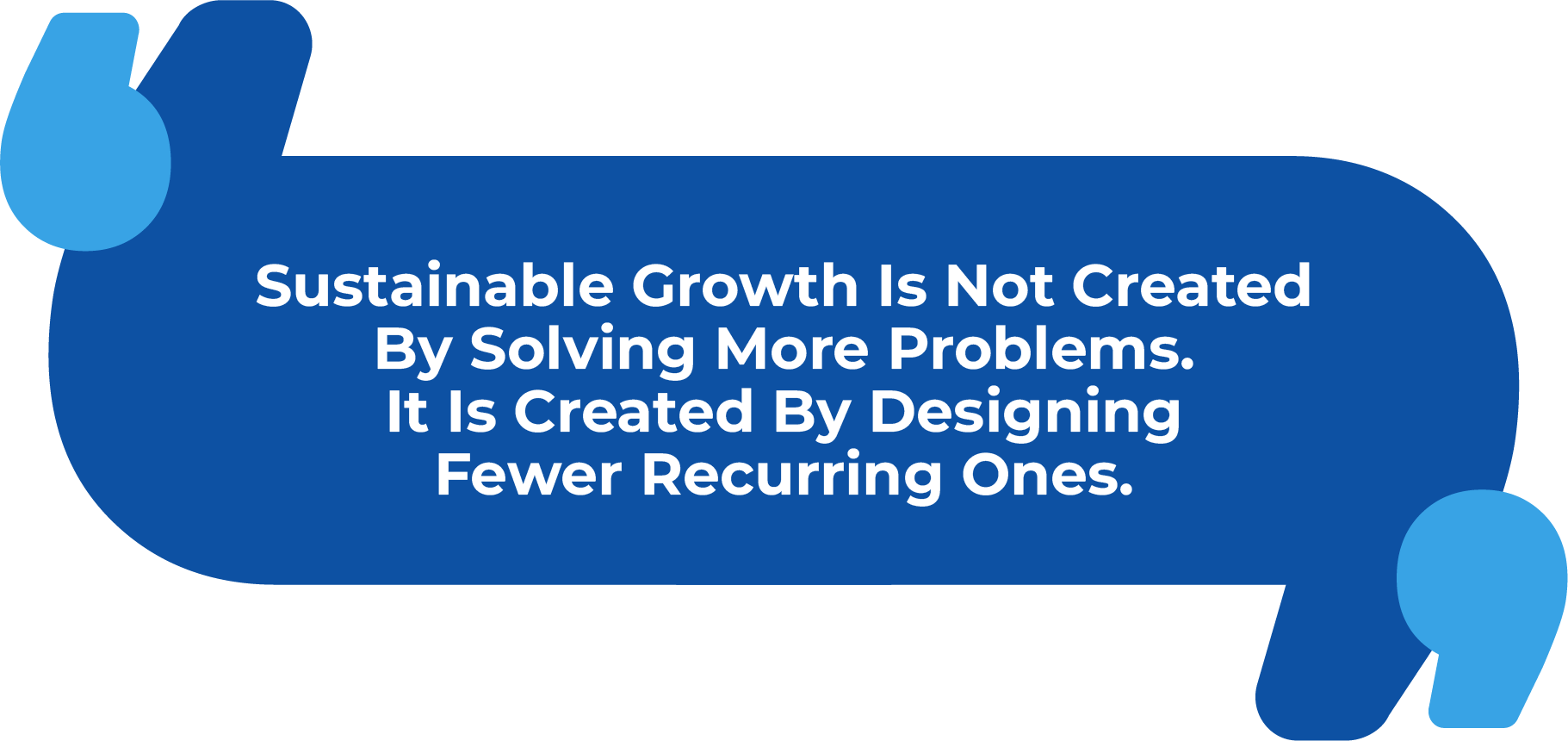
Sustainable Growth and Impact are not the result of intensity alone. They are the result of coherence.
- Coherence between ambition and capacity.
- Coherence between values and incentives.
- Coherence between pace and recovery.
Leaders often assume that designing conditions is slower than solving problems. In reality, it reduces repetition.
- When conditions improve, fewer problems emerge.
- When rhythm stabilizes, decision quality increases.
- When vitality is protected, performance pressure decreases.
A practical coaching dialogue might sound like this:
- If your current way of operating continues unchanged, what cost will appear in twelve months?
- Where is your team already demonstrating a healthier pattern that could be scaled?
- What would disciplined restraint look like in your calendar?
- What are you willing to stop in order to protect long term Impact?
These questions are not dramatic. They are strategic.
In high achievement cultures, leaders are respected for their ability to act decisively. The next stage of maturity is being respected for the systems they design.
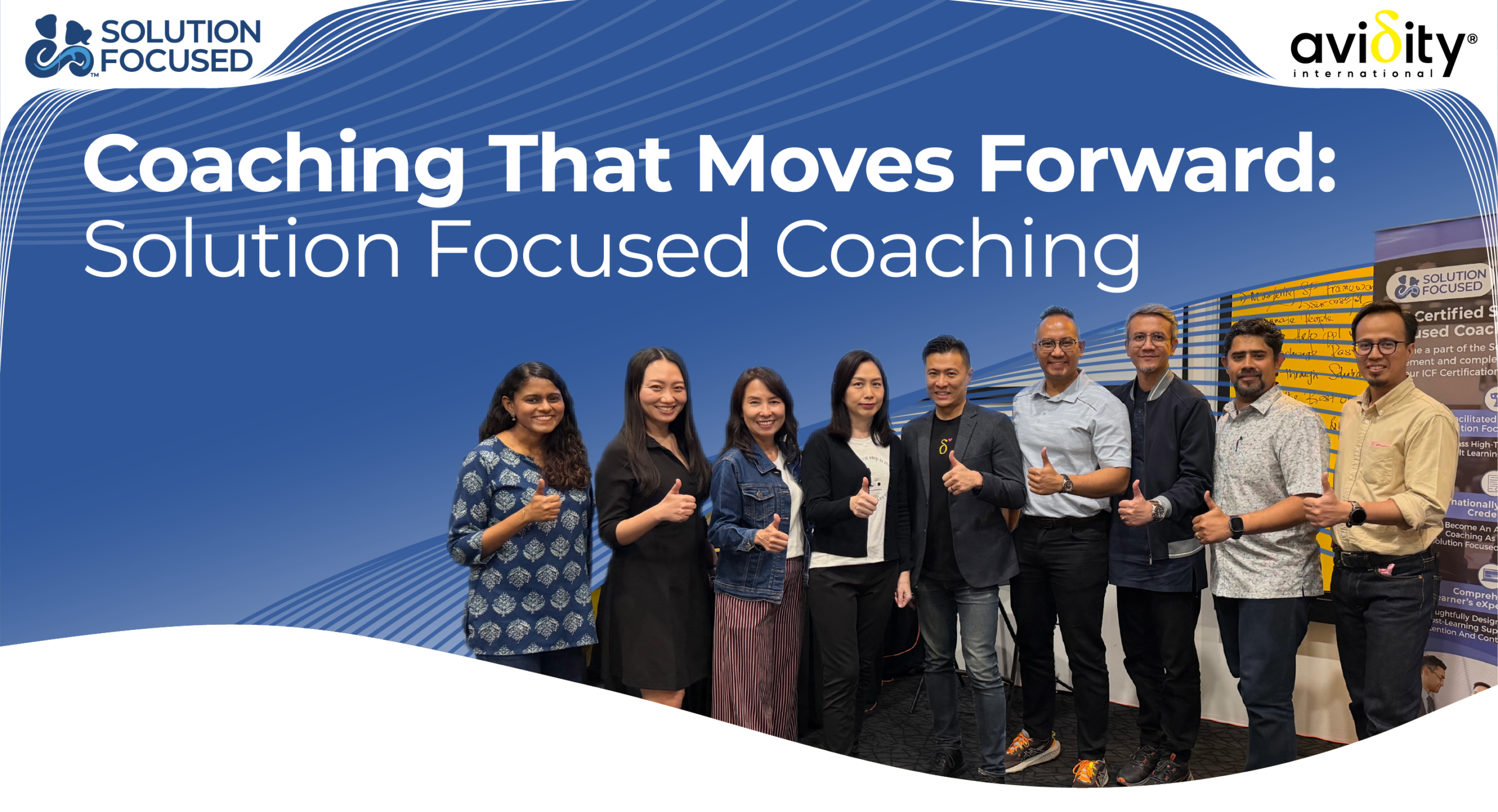
Solution Focused lineage shaped my discipline as a coach. It taught me to trust resourcefulness and to avoid unnecessary complexity. That discipline now informs how I engage enterprise leaders.
We still move forward. But we move forward with architectural awareness.
Author: Coach Alex Tan, MCC

Questions will lead to the direction of action. If we focus on question to find solution it will lead to solutions, and if it focus on problem and we it will lead to just solving the problem. The shift is important in coaching in my opinion.
Solving problem technic is bit hardest as compare solution focused to determine better solution.
Different perspective on leadership. Solving problems is important, but creating the right conditions prevents the same problems occur is essential.
Sustainable success comes from creating better systems, not just working harder or reacting faster.
Solution creates other solution