Why Emotions Alone Don’t Build Great Leaders
Leadership Possibility
Imagine working for a leader who remains calm under pressure, listens carefully, and responds thoughtfully during difficult conversations. Those qualities create stability, especially when uncertainty or conflict arises. Yet beyond feeling heard, people also leave feeling encouraged, confident, and motivated to contribute more than they thought possible.
The most memorable leaders create experiences that stay with people long after the conversation ends. They do more than manage emotions. They strengthen people. Every interaction becomes an opportunity to build trust, confidence, hope, and connection.
This is the kind of leadership today’s workplaces increasingly need.
The Human Challenge
Leadership conversations have changed dramatically over the past decade. Organizations now recognize the importance of empathy, emotional awareness, and psychological safety.
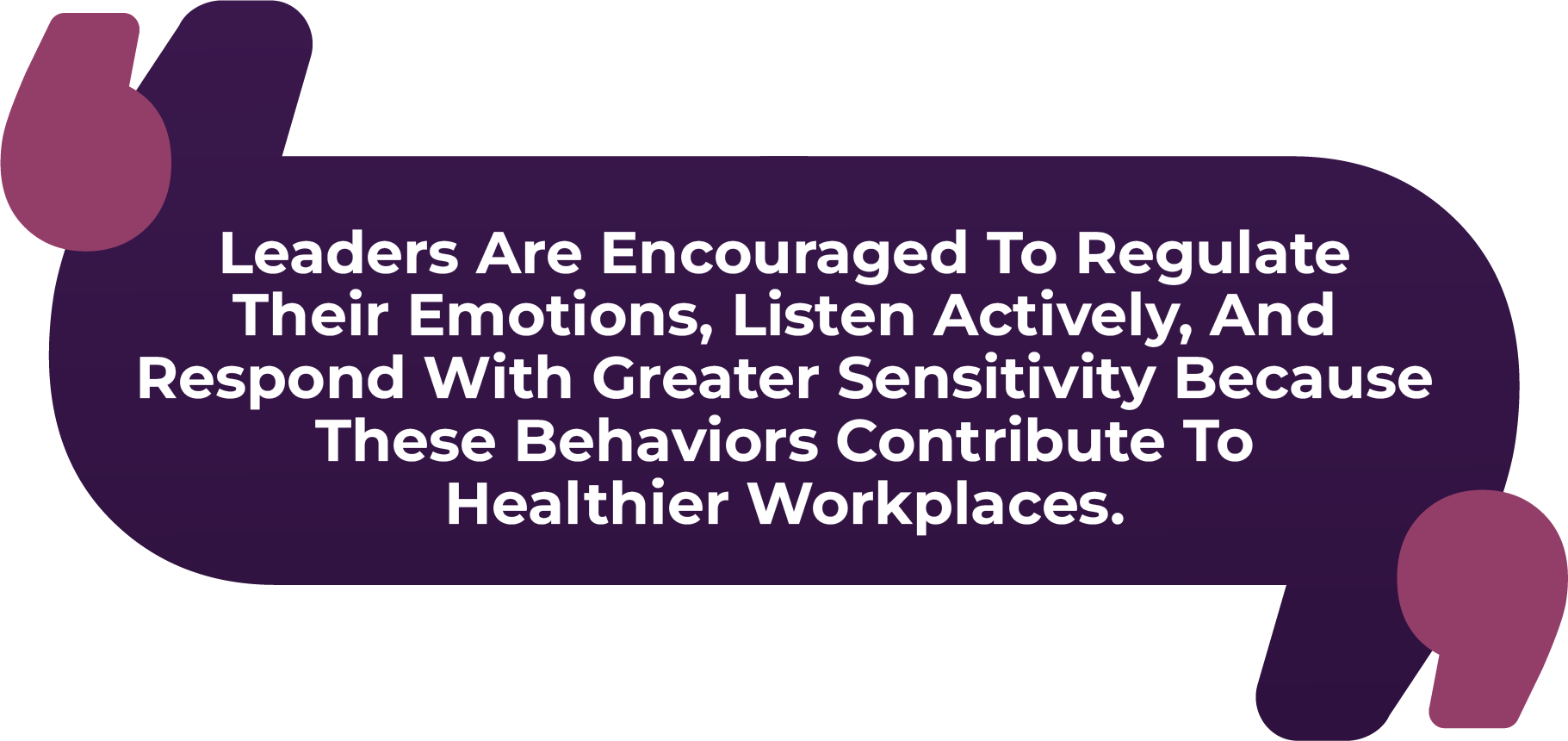
These developments have been valuable. Teams benefit when leaders remain composed rather than reactive, especially during periods of uncertainty or change. However, many organizations continue to experience disengagement, declining trust, and cultures where people feel emotionally safe but not necessarily inspired to grow or contribute beyond what is expected.
The challenge is not that leaders lack emotional awareness. The challenge is that emotional awareness alone is not enough to transform the human experience of work.
Why Traditional Leadership Falls Short
Many leadership approaches focus on helping leaders recognize emotions, understand emotional triggers, and regulate emotional responses. These are important capabilities because they help reduce unnecessary conflict and improve communication.

However, effective leadership cannot stop at emotional management. A leader may successfully calm a difficult situation without helping people regain confidence. They may resolve conflict without rebuilding trust. They may demonstrate empathy without creating a stronger sense of belonging or purpose.
Managing emotions often prevents relationships from deteriorating.
Developing people requires something more intentional.
Leadership becomes transformational when it goes beyond responding to emotions and begins intentionally cultivating the qualities that help people flourish.
The Hidden Human Need
Every person wants to feel more capable after interacting with their leader. They want encouragement during difficult moments, confidence when facing uncertainty, and reassurance that their contributions matter. These experiences influence whether people choose to speak up, collaborate, innovate, and remain committed to the organization.
People rarely remember whether a leader managed a difficult conversation perfectly. They remember whether they left feeling stronger than when they entered it. Leadership is not only experienced through decisions or communication. It is experienced through the lasting impact those interactions have on people.
The workplace becomes more human when leaders intentionally help people grow, not simply feel better.
The Heartstorm Perspective
Applied Heartstorm recognizes an important distinction between emotions, feelings, and emotive strengths. While emotions and feelings are part of every human experience, lasting leadership impact comes from intentionally cultivating emotive strengths that enable people and relationships to flourish over time.
This perspective shifts leadership beyond simply responding to emotions in the moment.
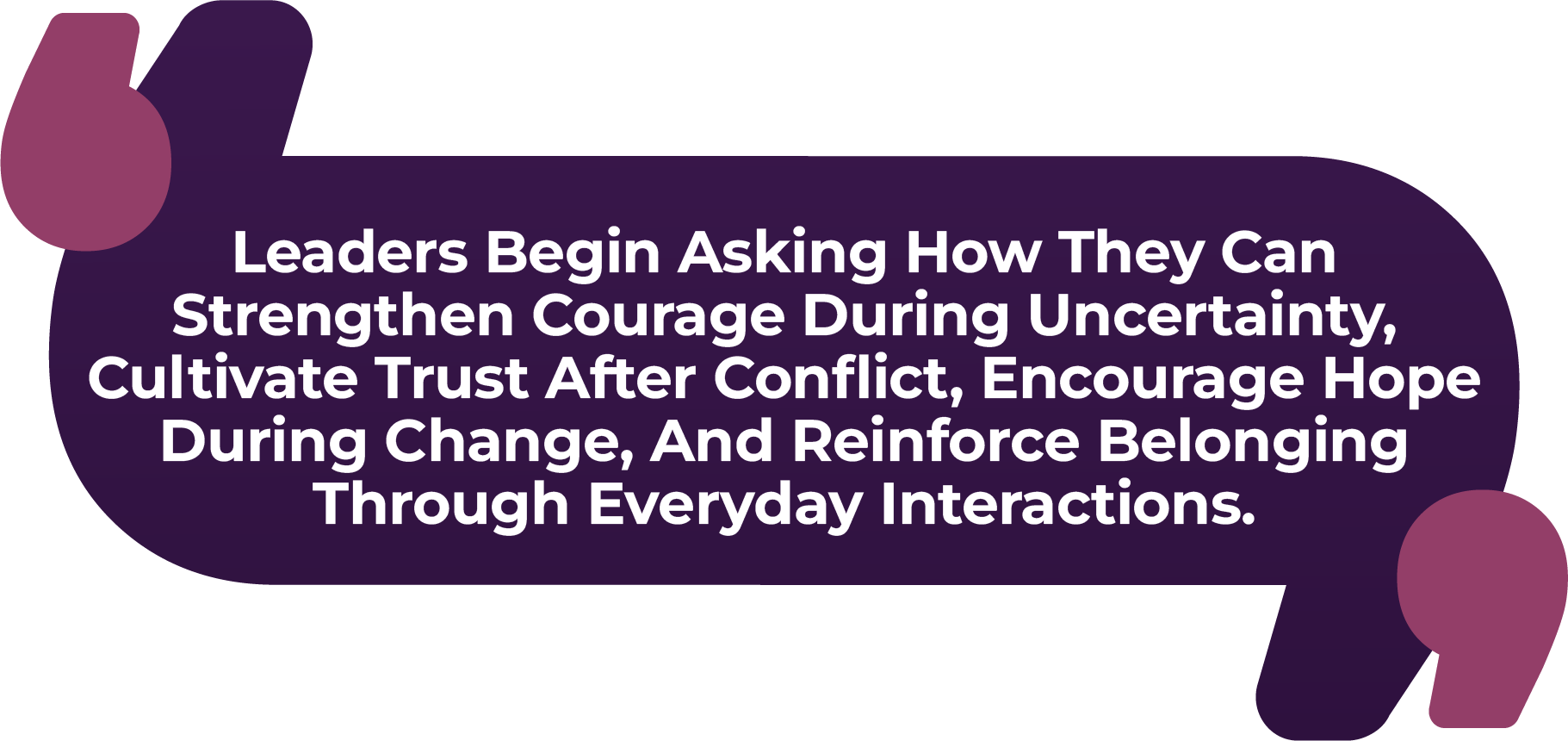
Rather than focusing only on emotional responses, they intentionally create experiences that develop people.
When leaders cultivate emotive strengths consistently, individual conversations begin shaping organizational culture.
Leadership Shift
Great leadership is not measured by how well emotions are managed. It is measured by how consistently people become stronger because of the leader’s influence.
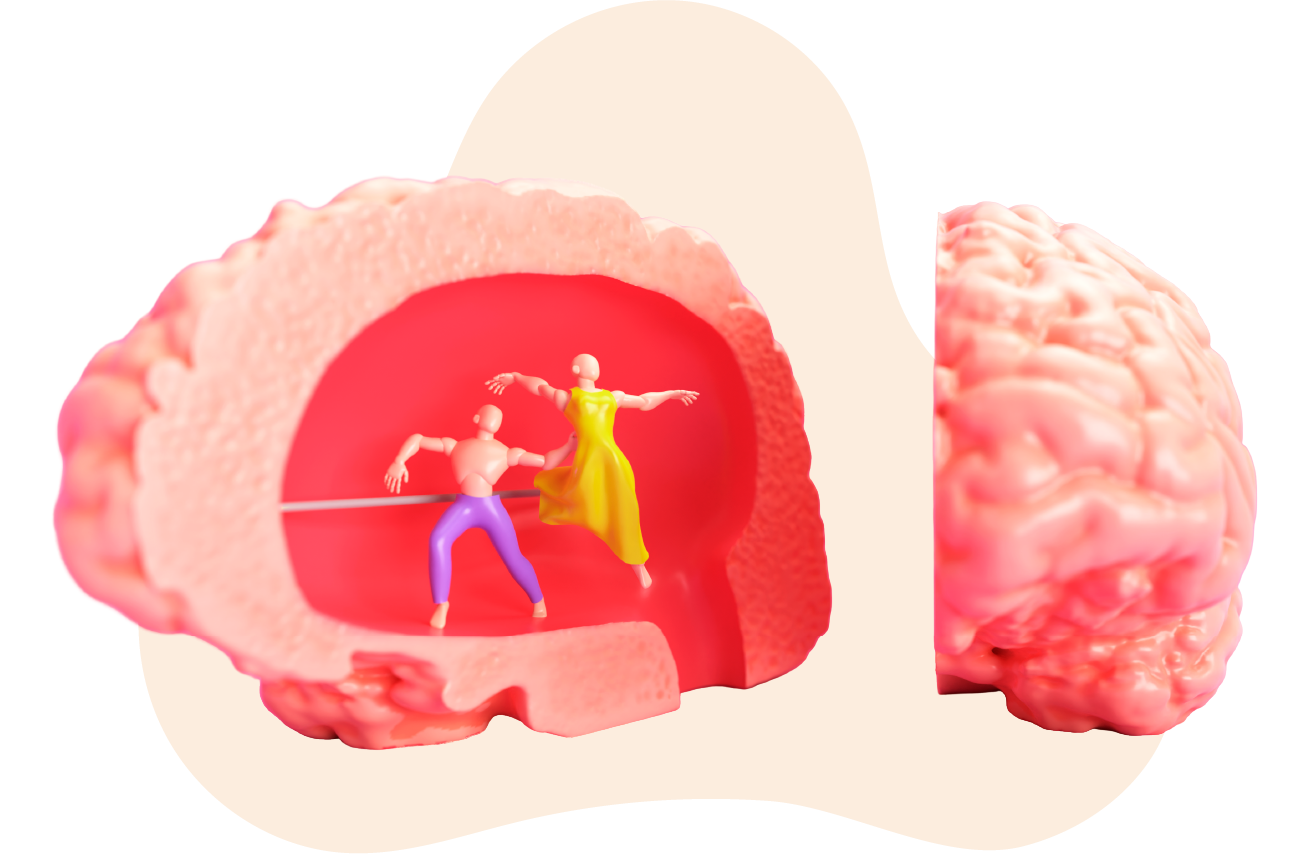
This changes the purpose of everyday leadership conversations. Feedback becomes an opportunity to build confidence. Change becomes an opportunity to strengthen resilience. Conflict becomes an opportunity to deepen trust. Recognition becomes an opportunity to reinforce purpose and belonging.
Instead of asking, “Did I handle that conversation well?” leaders begin asking, “What did that conversation strengthen in the people I lead?”
That question transforms leadership from emotional management into intentional human development.
Practical Application
Think about your next one on one conversation or team meeting. Before entering the discussion, identify one human quality you want to strengthen rather than simply one outcome you want to achieve.
Perhaps your team needs greater confidence after a setback. Perhaps someone needs encouragement before taking on a new responsibility. Perhaps trust needs to be rebuilt after a difficult decision. Allow that intention to influence your questions, your feedback, and your encouragement.
Over time, these small moments shape how people experience leadership. They also shape the culture people choose to create together.
Pause and Notice: Reflect on your current leadership practice.
Highest (most true for you) 1 = Lowest (least true for you)
☐ Do people leave my leadership conversations feeling stronger than before?
☐ Am I helping people grow beyond simply helping them feel better?
☐ Which emotive strengths does my team need most right now?
☐ What opportunities am I overlooking to strengthen trust, confidence, or belonging?
☐ How can my next conversation intentionally help someone flourish?
Conclusion
Modern leadership requires more than emotional awareness. While recognizing and managing emotions remains important, organizations thrive when leaders intentionally cultivate the qualities that help people grow, connect, and contribute with confidence.
Applied Heartstorm reminds us that leadership is not simply about responding to how people feel. It is about intentionally developing the emotive strengths that shape resilient teams, healthy relationships, and human centered cultures. When leaders strengthen people rather than merely managing situations, they create workplaces where both individuals and organizations can flourish.