How Regenerative Leaders Sustain Energy
Organizations often measure success through productivity, efficiency, and results. Leaders monitor deadlines, performance metrics, and business outcomes because these are visible indicators of progress. Yet one of the most valuable resources in any organization often receives far less attention than it deserves.
It is not time.
It is energy.
Two employees may work the same hours, possess similar skills, and hold the same responsibilities, yet contribute very differently. One approaches challenges with creativity, focus, and enthusiasm. The other completes the same work while feeling mentally exhausted, emotionally disconnected, and physically drained.
The difference is rarely the amount of time they have. More often, it is the quality of energy they bring to their work.
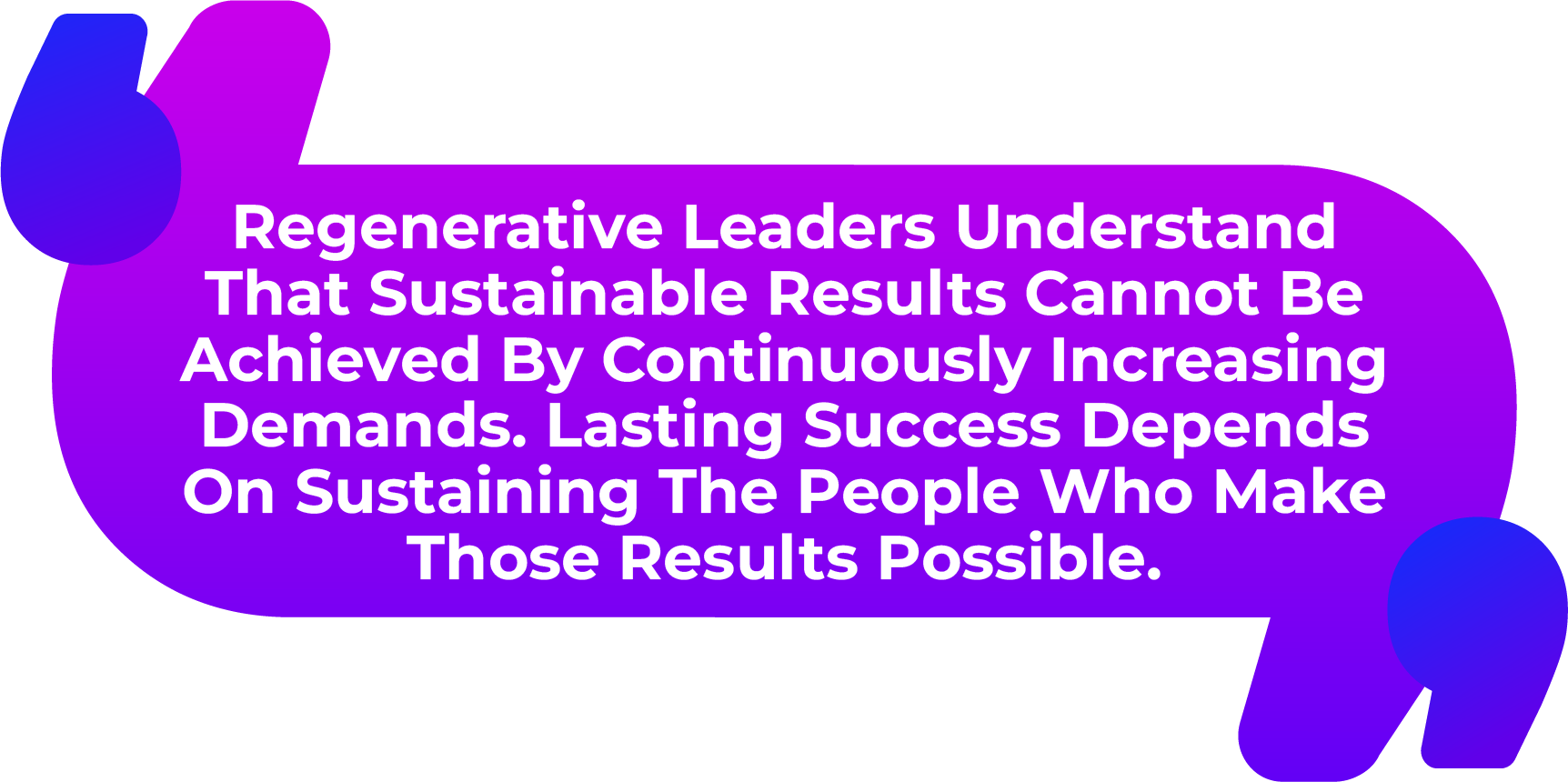
Applied Regenerative Leadership recognizes that sustainable organizational success depends not only on how people perform, but also on whether leaders create the conditions for people to continually renew their energy.
Energy is not simply a personal responsibility. It is a leadership responsibility.
Sustainable Results Begin with Sustainable Energy
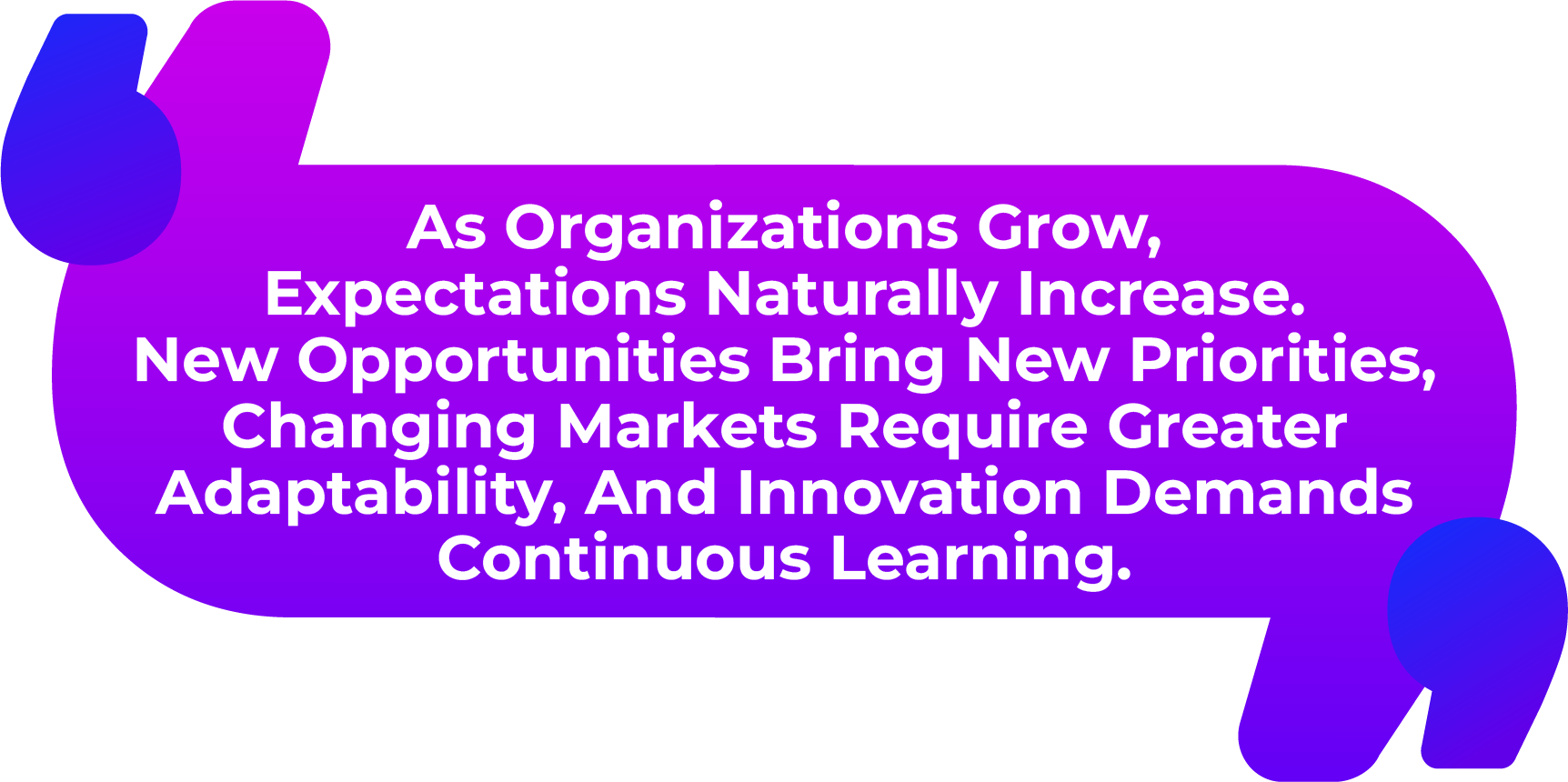
In response, many organizations ask people to do more.
More projects.
More meetings.
More collaboration.
More change.
While these expectations may produce positive results in the short term, they can gradually reduce the energy people need to sustain those results over time.
When energy is continually invested without opportunities for renewal, people often begin to lose the very qualities organizations value most. Curiosity gives way to routine. Creativity is replaced by simply getting through the day. Collaboration becomes more difficult. Motivation begins to fade.
These changes rarely happen overnight.
They develop quietly through everyday experiences that slowly deplete people’s physical, mental, and emotional capacity.
Leadership Shapes Energy Every Day
Energy is influenced by far more than workload.
Every interaction a leader has with their team either contributes to or draws from the energy people bring to work.
The way leaders communicate.
The clarity they provide during uncertainty.
How they respond to mistakes.
How they recognize progress.
How they manage change.
These everyday leadership behaviors shape the emotional climate of an organization.
Consider two leaders facing similar business challenges.
One creates clarity when circumstances are uncertain. They listen with curiosity, encourage learning, acknowledge progress, and demonstrate genuine care for their people.
The other frequently changes priorities, communicates only when problems arise, overlooks achievements, and unintentionally rewards constant availability over sustainable contribution.
Both teams may continue delivering results.
Over time, however, one team becomes increasingly energized while the other gradually becomes depleted.
Leadership is never neutral.
It is constantly shaping the energy people carry into their work each day.
Regeneration Is an Ongoing Leadership Practice

Sustaining energy does not mean avoiding challenges.
Meaningful work requires commitment, resilience, adaptability, and perseverance. Organizations will continue facing complexity, uncertainty, and periods of intense effort.
Applied Regenerative Leadership is not about reducing expectations.
It is about ensuring that people have the capacity to meet those expectations without sacrificing their wellbeing.
Regenerative leaders intentionally create moments that restore energy.
They create space for reflection after demanding projects.
They encourage learning instead of expecting perfection.
They celebrate meaningful progress, not only final outcomes.
They promote healthy collaboration instead of constant urgency.
These practices may appear small in isolation, yet together they shape how people experience work every day.
Leadership is often defined by the cumulative effect of consistent behaviors rather than occasional initiatives.
Small regenerative habits create lasting organizational impact.
Sustainable Energy Creates Lasting Impact
When leaders sustain energy, the benefits extend far beyond employee wellbeing.
People think more creatively because they have the mental capacity to explore new ideas.
Teams collaborate more effectively because trust replaces tension.
Decisions improve because leaders are responding thoughtfully instead of reacting from fatigue.
People remain engaged because they feel valued rather than consumed.
Organizations become more adaptable because learning continues even during periods of change.
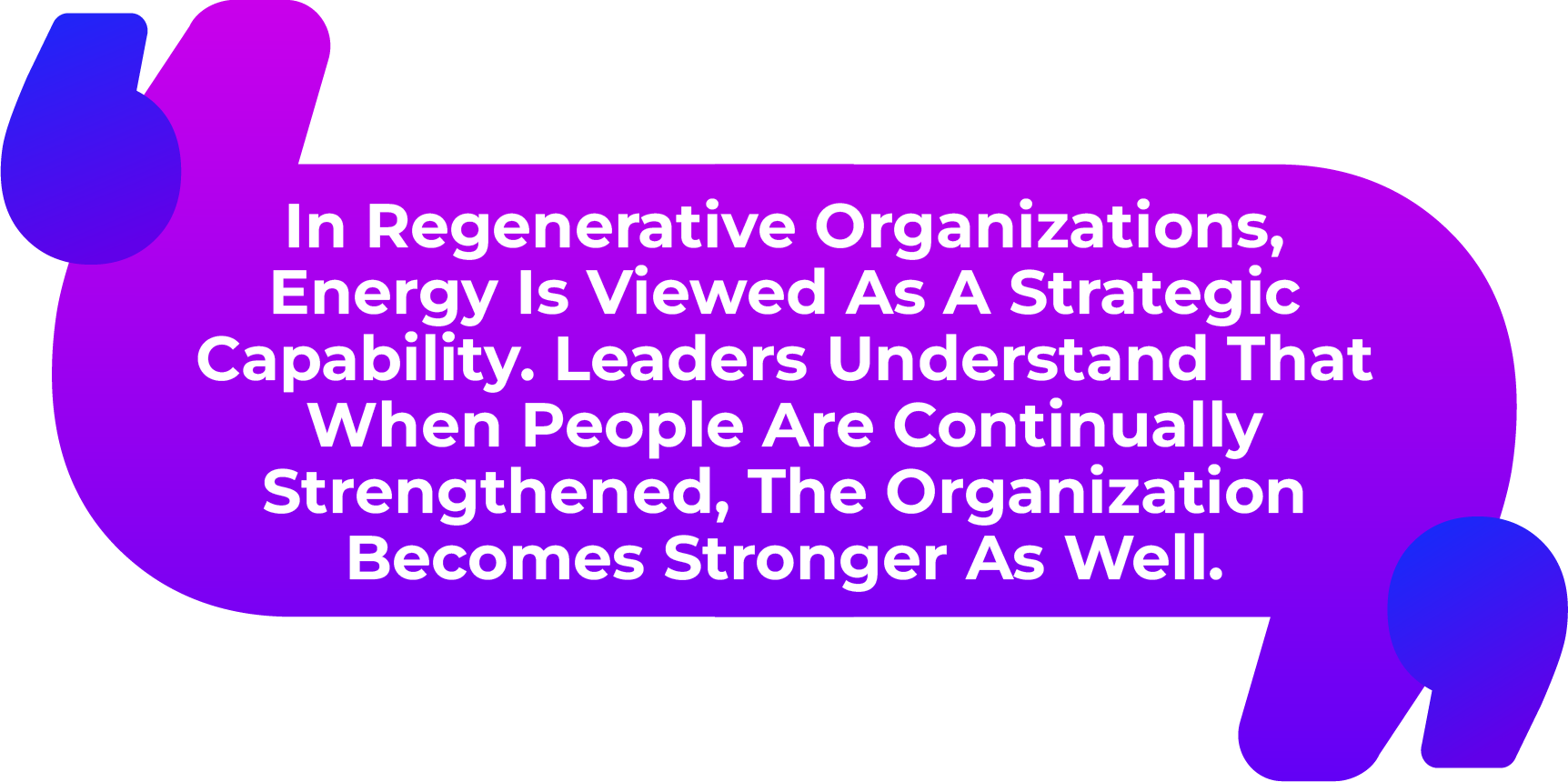
Sustainable energy creates sustainable innovation.
Sustainable innovation creates lasting impact.
A Different Leadership Question

Traditional leadership often begins with a familiar question.
“How can we get more from our people?”
Applied Regenerative Leadership begins with a different question.
“How can we create the conditions for our people to bring their best energy to meaningful work?”
This subtle shift changes the way leaders think.
The focus moves from extracting greater effort to enabling greater contribution.
From measuring activity to cultivating capacity.
From achieving short term success to building long term sustainability.
When leaders change the question, they also change the culture.
People no longer feel like resources to be consumed.
They become individuals whose energy, growth, and contribution are intentionally nurtured.
That is the foundation of lasting organizational success.
Pause and Notice
Before leading your next meeting, project, or organizational initiative, ask yourself:
☐ Does my team leave our conversations feeling more energized than before?
☐ Am I aware of what is consistently draining my team’s energy?
☐ Have my daily leadership habits strengthened rather than depleted my people this week?
☐ Am I leading with intention rather than reacting with urgency?
☐ Have I introduced at least one practice this week that supports my team’s wellbeing and growth?
Regenerative leadership begins with noticing.
Conclusion
Leadership is not only about delivering results today.
It is about ensuring people have the capacity to continue creating results tomorrow. Organizations flourish when leaders understand that energy is not something to be consumed until it is gone.
It is something to be intentionally renewed.
When leaders regenerate energy, they cultivate stronger people.
Stronger people build stronger teams.
Stronger teams create stronger organizations.
That is how regenerative leaders sustain energy and create lasting impact.