The Missing Intelligence in Modern Leadership
Leadership Possibility
Imagine a workplace where people leave challenging conversations feeling encouraged instead of discouraged. Difficult decisions strengthen trust rather than creating uncertainty. Teams remain engaged during periods of change because they believe their leaders understand not only the work that needs to be accomplished but also the people responsible for accomplishing it.
Many organizations aspire to create this kind of culture. They invest in leadership development, digital transformation, and new ways of working because they know the future demands greater adaptability and innovation. Yet despite these investments, many leaders still find themselves asking why their teams feel disconnected, why collaboration is becoming more difficult, and why engagement remains inconsistent.
The answer may not be a lack of intelligence. It may be the absence of a different kind of intelligence altogether.
The Human Challenge
Today’s organizations are operating in an increasingly intelligent world. Artificial intelligence, automation, predictive analytics, and sophisticated management systems have transformed how decisions are made and how organizations operate.
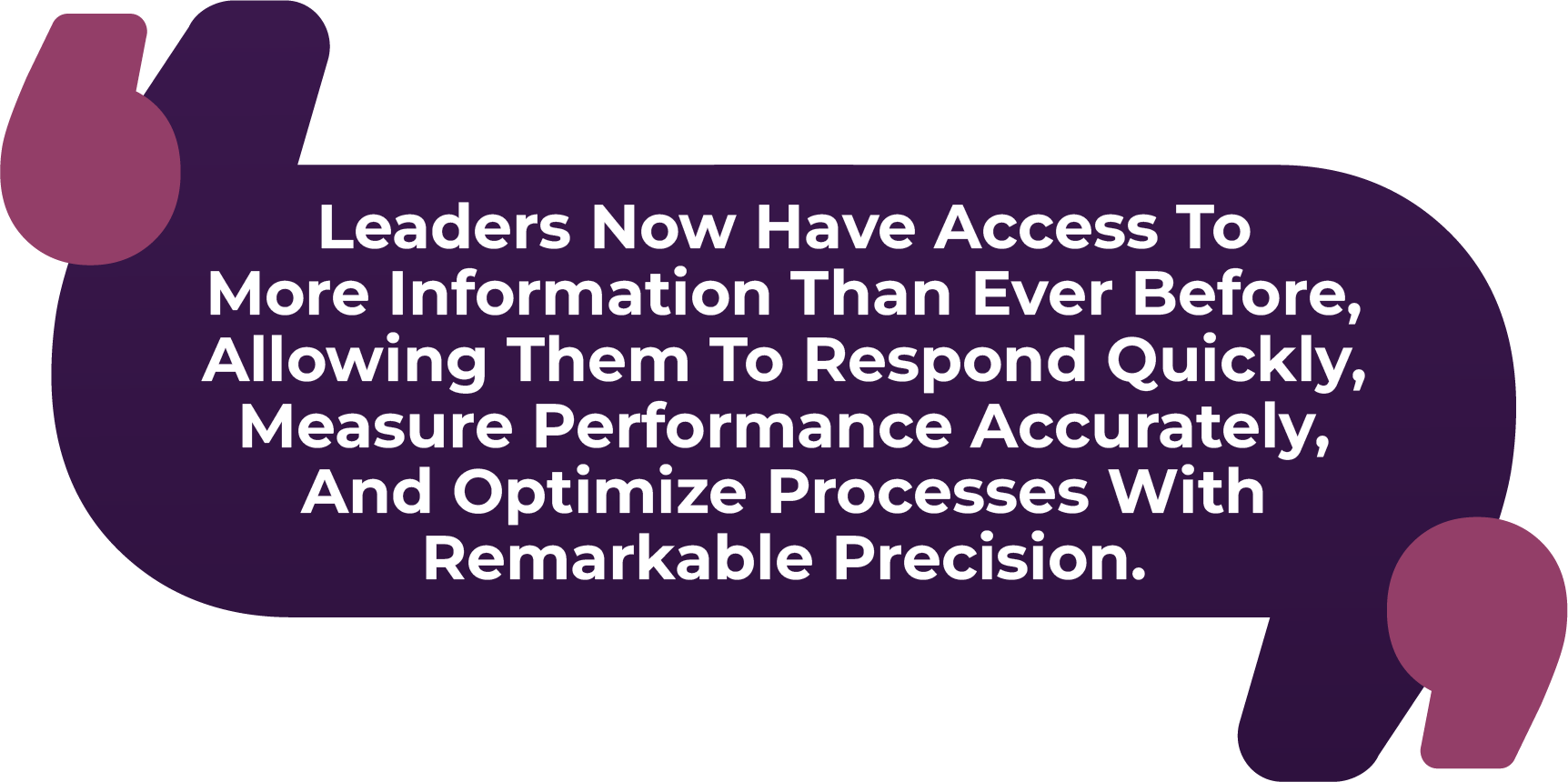
Yet while organizations have become more intelligent, many workplaces have not necessarily become more human. Employees continue to describe feeling disconnected from their teams, overlooked by their leaders, and emotionally exhausted by the pace of change. Collaboration suffers not because people lack technical capability, but because relationships gradually weaken when human connection receives less attention than operational efficiency.
This presents a leadership paradox. We have become exceptionally good at helping organizations think smarter, but we have not always become better at helping people feel understood.
Why Traditional Leadership Falls Short
For decades, leadership development has emphasized analytical thinking, strategic planning, decision making, and emotional regulation. These capabilities remain essential because organizations need leaders who can navigate complexity with clarity and confidence. However, many leadership approaches still focus primarily on helping leaders manage emotions rather than intentionally shaping the human experience of work.
Managing emotions is valuable, particularly during conflict or uncertainty. It helps leaders remain composed, communicate professionally, and respond thoughtfully instead of reacting impulsively. However, emotional regulation alone does not automatically create trust, belonging, confidence, or commitment. A leader may successfully manage difficult conversations while unintentionally missing opportunities to help people feel valued, inspired, and connected.
As workplaces become increasingly driven by technology and efficiency, this distinction becomes more significant. People rarely remember every decision their leaders made, but they often remember how those leaders made them feel throughout the process.
The Hidden Human Need
Behind every successful organization are people who want more than clear instructions and measurable goals. They want to know that their ideas matter. They want confidence that their contributions are recognized. They want to feel safe enough to speak honestly, courageous enough to take initiative, and connected enough to believe they are building something meaningful together.
These are not simply emotional preferences. They are fundamental human needs that influence motivation, collaboration, innovation, and long term commitment. When these needs remain unaddressed, even highly capable teams can become disengaged despite having talented people and well designed systems.
Organizations rarely lose people because they lack processes. More often, they lose people because the workplace no longer feels deeply human.
The Heartstorm Perspective
Applied Heartstorm offers a different perspective by recognizing that leadership is not only about understanding emotions but also about intentionally cultivating emotive strengths that shape how people experience work.
It introduces Emotive Intelligence, which moves beyond emotional awareness by encouraging leaders to utilize emotive strengths as part of their thinking, decision making, and daily leadership practice.
This shift encourages leaders to ask a different question. Rather than focusing solely on how to manage emotions effectively, they begin considering the experiences they are creating through every conversation, meeting, decision, and interaction. They become intentional about strengthening trust, confidence, hope, belonging, and purpose because these experiences ultimately shape the culture people choose to build together.
Emotive Intelligence does not replace rational thinking or emotional awareness. It complements them by helping leaders integrate cognitive capability with deeper human understanding, creating workplaces where both people and performance can flourish.
Leadership Shift
The most influential leaders are not remembered simply because they solved problems efficiently. They are remembered because people consistently felt stronger after working with them. Their conversations created confidence. Their decisions reinforced trust. Their leadership helped others believe they could contribute meaningfully to something larger than themselves.
This represents an important shift in modern leadership. Instead of asking, “How do I manage people’s emotions?” leaders begin asking, “What kind of human experience am I creating every day?” That question changes how meetings are conducted, how feedback is delivered, how conflict is addressed, and ultimately how culture is built.
Human centered leadership begins not by controlling emotions but by intentionally developing the emotive strengths that help people and organizations thrive.
Practical Application

Think about your next leadership conversation. Before considering what needs to be accomplished, pause and consider what you want people to experience by the end of the discussion.
Do you want them to leave feeling confident enough to take ownership? Do you want them to feel encouraged despite a difficult challenge? Do you want them to feel trusted to make decisions or valued for their contributions? These intentions influence the questions you ask, the language you choose, and the environment you create.
Small moments repeated consistently become organizational culture. Every conversation provides an opportunity to strengthen not only performance but also the human experience that sustains it.
Pause and Notice: Reflect on your current leadership practice.
Highest (most true for you) 1 = Lowest (least true for you)
☐ When people leave a conversation with me, how do they usually feel?
☐ Am I investing as much attention in the human experience as I do in achieving results?
☐ Which emotive strengths would help my team flourish more consistently?
☐ How often do I intentionally create opportunities for people to feel trusted, valued, and connected?
☐ What is one leadership conversation this week where I can strengthen both people and performance?
Conclusion
The future of leadership will not belong solely to organizations with the smartest technology or the most sophisticated strategies. It will belong to leaders who understand that lasting performance is built upon meaningful human connection. As workplaces continue to evolve, the ability to think clearly must be matched by the ability to intentionally cultivate environments where people feel valued, connected, and empowered to contribute their best.
Applied Heartstorm reminds us that organizations become stronger when leaders develop more than capability. They develop people. By integrating cognitive excellence with emotive strengths, leaders create workplaces where trust grows, collaboration deepens, and performance becomes sustainable because it is rooted in genuine human connection.